U-Panel vs 4-Panel vs Circular FIBC Bags
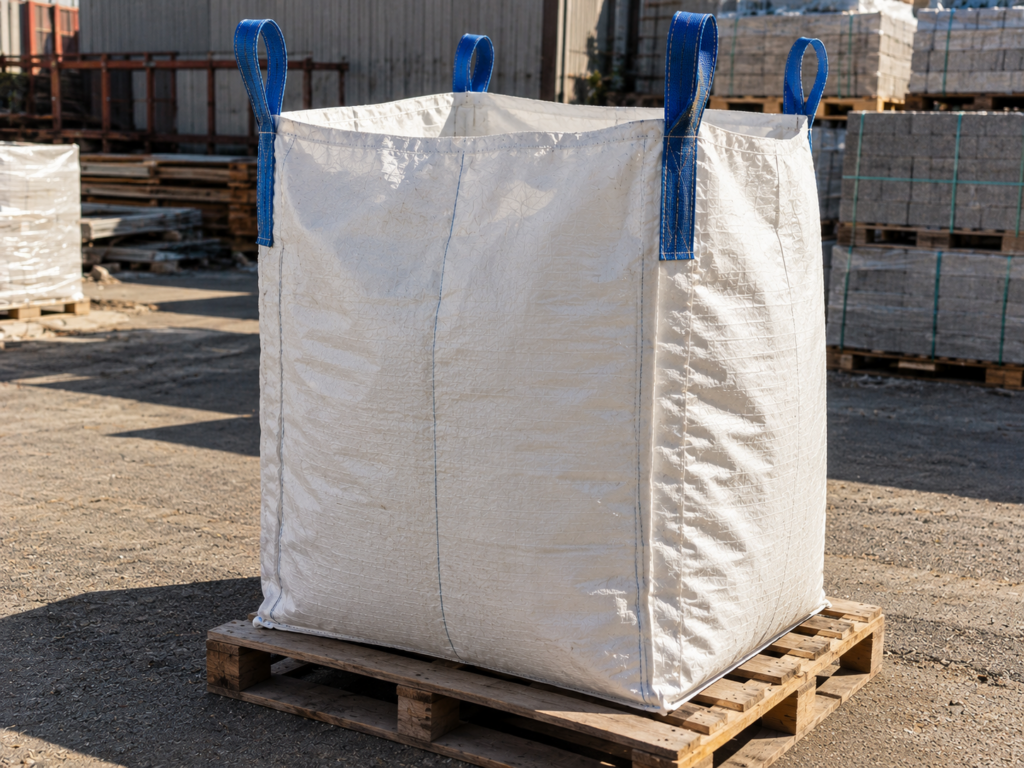
Most FIBC bulk bags are named after the way their fabric is cut and sewn. The construction affects how the bag holds its shape, how it is made and how it behaves when filled. Here is a plain comparison of three common designs.
Circular (tubular) bags
A circular bag is woven as a continuous tube, so the body has no vertical side seams. The base is stitched closed. It is a widely used, economical design for free-flowing materials. Because the body is round, a filled bag can bulge, which is worth planning for when stacking. See our circular and tubular bags.
U-Panel bags
A U-Panel bag is built from a U-shaped piece of fabric that forms the base and two sides. Two side panels complete the body. This approach gives a sturdy, well-supported base. It is a common choice for heavier or more demanding loads. See our U-Panel bags.
4-Panel bags
A 4-Panel bag is sewn from four separate panels joined at the corners, with a base added. The seams at the corners help the bag keep a squarer shape when filled. That can make stacking and storage easier. See our 4-Panel bags.
How to decide between them
No design is best for every job. Consider these points:
- How the filled bag will be stacked or stored
- Whether the product is fine, coarse or heavy
- Your budget for each bag and how often it is used
If your product is prone to bulging, ask about baffle (Q) bags as well.
Get the specification confirmed
Whatever construction you choose, confirm the capacity, dimensions and safe working load in your quotation. Request a quote and tell us what you are packing. We will suggest options that fit.